

Financial Statements & Management Reporting

Financial Accounting Services in Surrey BC for Clearer Reporting

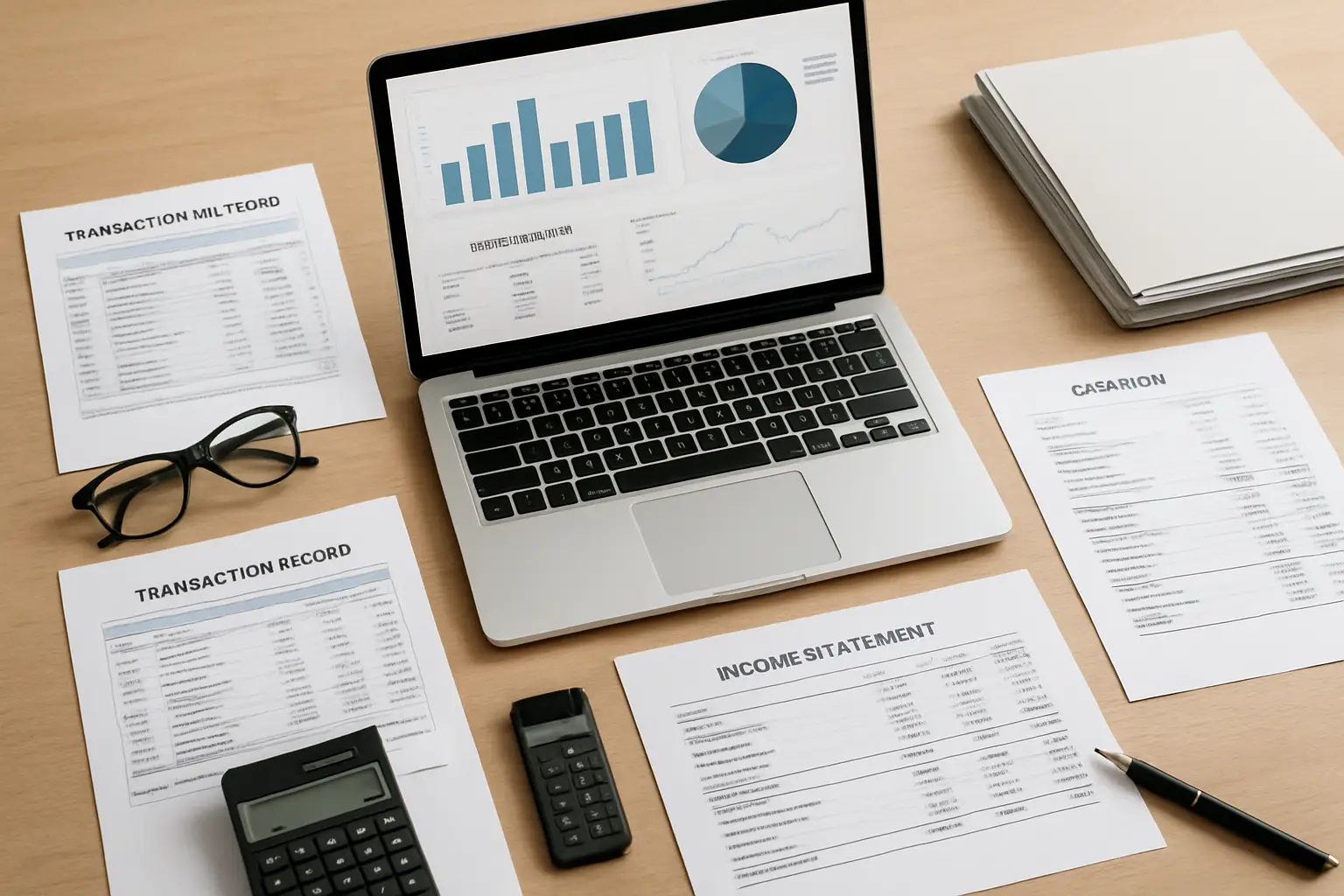
Financial accounting services in Surrey BC help business owners turn organized accounting records into financial statements and reporting that can be reviewed, compared, and used to understand business performance. Phoenix Knight Financial Services supports income statements, balance sheets, cash flow reporting, period comparisons, management reporting, and financial analysis based on the information available in your accounting records.

This service is focused on the reporting side of accounting: understanding what happened financially, how results changed between periods, and which balances or trends need attention. Businesses that need broader recurring accounting support such as reconciliations, accounts payable, accounts receivable, and month-end record maintenance can review our business accounting services.

Surrey business executive reviewing financial accounting reports and financial statements
Financial Reporting

What Is Financial Accounting?

Financial accounting organizes business activity into structured financial reports. It takes information from the accounting records and presents it in a way that helps owners and other appropriate users understand financial performance, financial position, and changes in cash.

The reporting approach depends on the business, the purpose of the statements, the quality of the underlying records, and any requirements from third parties who will use the information.

  • Revenue, expenses, and profitability
  • Assets, liabilities, and equity balances
  • Cash generated and cash used
  • Changes between reporting periods
  • Balances or trends that may require follow-up

Financial accounting is different from bookkeeping. Bookkeeping records and organizes day-to-day transactions. Financial accounting uses those records to prepare and interpret financial reports. If the underlying records need recurring transaction support or cleanup, see our bookkeeping services.

Financial statements and accounting reports being reviewed for a Surrey business
Core Financial Statements

Three Financial Statements That Explain the Business

Each statement answers a different financial question. Used together, they provide a clearer picture of profitability, financial position, and cash movement.

1. Income Statement

Revenue, expenses, and profit over a period

The income statement summarizes what the business earned, what it spent, and the resulting profit or loss during a defined reporting period.

It can help show:

  • Revenue by reporting period
  • Direct costs and gross profit
  • Operating expenses
  • Net profit or loss
  • Changes compared with earlier periods

2. Balance Sheet

What the business owns and owes at a point in time

The balance sheet summarizes assets, liabilities, and equity on a specific reporting date. It helps show the financial position of the business rather than only its profitability.

It can include:

  • Cash and other current assets
  • Accounts receivable
  • Equipment and other long-term assets
  • Accounts payable and other liabilities
  • Loans and financing balances
  • Owner or shareholder equity

3. Cash Flow Statement

How cash moved through the business

A cash flow statement helps explain why cash increased or decreased even when the income statement shows a profit. Cash activity is generally separated into operating, investing, and financing activities.

Why it matters: Profit and available cash are not the same thing. Reviewing cash movement helps owners understand whether normal operations are generating enough cash to support upcoming obligations.

Reporting Consistency

Financial Reporting Built on Consistent Accounting Records

Useful financial statements depend on consistent classification, reconciled balances, appropriate period cut-offs, and accounting records that support the amounts shown in the reports.

  • Consistent account classifications
  • Comparable reporting periods
  • Reviewed account balances
  • Clear supporting schedules where needed
  • Reporting structured around its intended use

If the records themselves need ongoing reconciliation and month-end accounting support, review our complete accounting services .

Engagement Scope

Understand the Level of Financial Reporting You Need

Financial statement preparation, compilation engagements, review engagements, and audits are different services with different procedures and levels of assurance.

  • The appropriate service depends on why the statements are needed
  • Third-party requirements should be confirmed before the engagement begins
  • A lender, investor, shareholder agreement, or other recipient may have its own requirements
  • Management reporting can be different from formal external financial reporting

Before work begins: identify who will use the statements, what reporting period is required, and whether the recipient has specified a particular level or format of financial reporting.

Management Reporting

Management Reporting That Helps Explain the Numbers

Financial statements provide the base information. Management reporting adds comparisons and supporting detail so owners can see what changed, where the change occurred, and which areas may need closer review.

Management Reporting Package

The exact reporting package depends on the business and the information management needs to review. It may include:

  • Financial statements: Current-period and year-to-date reporting.
  • Period comparisons: Current results compared with prior months, quarters, or years.
  • Variance analysis: Actual results compared with budgets or other internal targets.
  • Key financial measures: Profitability, liquidity, receivables, payables, and other relevant indicators.
  • Reporting notes: Clear explanations of significant changes, unusual balances, or items that require follow-up.

Budget vs. Actual Variance Analysis

Budget-versus-actual reporting helps identify where the business performed differently from plan. The goal is not simply to show a difference, but to make the difference easier to investigate.

  • Revenue compared with budget
  • Direct costs and gross-margin changes
  • Operating expenses compared with plan
  • Location or department variances where records support them
  • Month-to-month and year-to-date trends

Need more than reporting? Financial accounting explains historical results and current financial information. Businesses looking for broader planning, decision support, and long-term financial strategy can also review our financial advisory services or Virtual CFO services .

Financial Analysis

Financial Ratios That Add Context to the Statements

Ratios can help turn financial statement balances into useful comparisons. The most relevant measures depend on the business, its industry, and the quality of the underlying accounting data.

Profitability Measures

  • Gross Profit Margin: Shows how much revenue remains after direct costs.
  • Net Profit Margin: Shows the percentage of revenue remaining after expenses.
  • Return on Assets: Compares profit with the asset base used by the business.

Liquidity Measures

  • Current Ratio: Compares current assets with current liabilities.
  • Quick Ratio: Reviews short-term liquidity without relying as heavily on inventory balances.
  • Working Capital: Shows the difference between current assets and current liabilities.

Operating Efficiency Measures

  • Days Sales Outstanding: Helps show how long customer balances are taking to collect.
  • Inventory Turnover: Helps measure how inventory moves through the business.
  • Accounts Payable Measures: Help management review payment timing and supplier balances.
Detailed Reporting

Financial Reporting for Growing and Multi-Location Businesses

Company-wide totals can hide differences between locations, departments, projects, or business lines. Where the accounting structure supports it, more detailed reporting can help management understand where results are being generated.

Period and Trend Comparisons

Compare results across consistent reporting periods to identify changes in revenue, margins, expenses, working capital, and other important balances.

  • Monthly comparisons
  • Quarterly comparisons
  • Year-over-year reporting
  • Margin and expense trends

Multi-Location Reporting

Businesses operating from more than one location may need both consolidated reporting and separate location-level results.

  • Combined company reporting
  • Location-specific profit and loss reporting
  • Location expense comparisons
  • Consistent account structures across locations

Department and Segment Reporting

Departments, service lines, or other reporting segments can be reviewed separately when transactions are recorded with enough detail to support meaningful comparisons.

  • Revenue by department or segment
  • Direct-cost tracking
  • Shared-cost allocations where appropriate
  • Contribution and margin comparisons

Historical Reporting and Forward-Looking Cash Planning

Financial accounting focuses primarily on reporting and explaining actual results. When the next question is how future cash may move under different assumptions, our cash flow forecasting services provide a separate forward-looking planning process.

Reporting Purpose

Financial Reporting for Different Business Needs

The same accounting records may be presented differently depending on who needs the information and why. Before reports are prepared, it helps to identify the intended user and any specific reporting requirements.

For Business Owners and Management

Management reporting can emphasize profitability, cash, receivables, payables, budgets, locations, departments, and other measures that help owners understand current results.

For Lenders and Finance Providers

A lender may request financial statements, supporting schedules, comparative information, or a particular type of accountant involvement. Requirements vary, so they should be confirmed with the lender before the reporting engagement is defined.

For Investors, Partners, or Shareholders

External stakeholders may need consistent financial statements and supporting information to understand profitability, financial position, cash movement, and changes between periods. The exact information depends on the transaction or agreement.

For Year-End and Tax Coordination

Organized financial statements and supporting account schedules can make year-end accounting and tax work easier to review. If accounting and tax work need to be coordinated together, see our Accounting and Tax Solutions .

Cloud Accounting

Technology-Supported Financial Reporting

Cloud accounting systems can make it easier to keep financial records current, reconcile accounts, organize supporting documents, and produce consistent reports.

  • Connected bank and transaction records
  • Consistent account structures
  • Access to current accounting information
  • Supporting documentation in one working system
  • Reporting that can be reviewed across periods

Businesses using Xero can review our Xero accounting services for setup, cleanup, reconciliation, and accounting support.

Explore Cloud Accounting Solutions

Common Questions

Frequently Asked Financial Accounting Questions

Clear answers about reporting frequency, accounting methods, financial-statement requirements, and reporting timelines.

How often should financial statements be prepared?

It depends on the business and how the information will be used. Some businesses review financial statements monthly, while others may use quarterly or other reporting periods. Businesses with tighter cash flow, significant receivables, multiple locations, or frequent management decisions may benefit from more frequent reporting.

What is the difference between cash and accrual accounting?

Cash accounting generally records income and expenses when cash is received or paid. Accrual accounting recognizes revenue and expenses based on when they are earned or incurred, which can provide a different view of receivables, payables, and period performance. The appropriate method depends on the business and its reporting requirements.

What level of financial statements does my business need?

That depends on why the statements are being prepared. Internal management reporting, compilation engagements, review engagements, and audits serve different purposes. If a lender, investor, or other third party will use the statements, confirm its requirements before deciding on the engagement scope.

How long does financial reporting take?

Timing depends on the condition of the accounting records, reconciliation status, transaction volume, the reporting period, and the level of reporting required. Complete and current records generally make the reporting process more efficient.

Industry Reporting

Financial Accounting for Different Types of Surrey Businesses

The core financial statements are similar across businesses, but the account structure and management reporting detail can vary depending on inventory, projects, staffing, properties, locations, and how revenue is earned.

Retail & Product Businesses

Reporting may include sales, inventory, cost of goods sold, merchant deposits, supplier balances, gross margins, and inventory-related working capital.

Professional & Service Businesses

Service businesses may focus more heavily on labour costs, utilization, project or service-line revenue, receivables, operating expenses, and profitability by business segment.

Construction & Contracting

Construction reporting may require job-level cost information, subcontractor records, progress billing, holdbacks, work in progress, and project-level profitability. See our construction accounting services .

Real Estate & Healthcare

Real estate reporting may require property-level income, expenses, financing, and asset records, while healthcare businesses may need practice revenue, staffing, provider, and clinic expense reporting. Explore real estate accounting or healthcare accounting .

Get Clearer Financial Statements and Management Reporting

If your business needs clearer financial statements, period comparisons, variance reporting, management reports, or a better understanding of the numbers already in your accounting system, Phoenix Knight can help you define the reporting scope and identify the financial information that needs to be reviewed.

Start with the accounting records and reports you already have. The next step is determining what information is reliable, what needs clarification, and what reporting will be most useful for your business.

Surrey business owners reviewing financial statements and management reporting