Growth Projects
Evaluate the financial and operational requirements behind expansion before resources are committed.
- New service or product
- Second location
- Capacity expansion
- Market-entry planning

Business consulting services in Surrey BC help owners solve a defined business problem or plan a major initiative before committing money, staff, financing, or time. Consulting can support business plans, pricing projects, operational improvement, market entry, new locations, acquisitions, partnerships, and other decisions that need a structured analysis and clear outcome.
Phoenix Knight Financial Services combines financial information with practical business analysis to define the question, test assumptions, compare options, and build an actionable recommendation. If you need recurring performance and decision reviews instead of a defined project, see our Business Advisory Services .

Consulting is most useful when there is a clear business question that needs to be answered, a project that needs to be planned, or a decision that requires deeper analysis than a normal financial review.
Evaluate the financial and operational requirements behind expansion before resources are committed.
Investigate pricing, margins, costs, capacity, or operational problems that are limiting profitability.
Organize the financial questions behind financing, acquisitions, partnerships, ownership changes, or other major commitments.
The project should begin with a specific problem or objective and end with a useful deliverable such as a business plan, financial model, pricing recommendation, operational improvement roadmap, market-entry assessment, expansion model, or transaction review.
The exact deliverables depend on the project, but the engagement should move from a defined question through analysis to a practical recommendation and next-step plan.
Clarify the problem, decision, timeline, information required, and specific outcome the consulting work is expected to produce.
Review the financial, operational, market, pricing, capacity, or transaction information relevant to the project.
Compare realistic options, identify key risks and assumptions, and explain the recommended direction.
Translate the analysis into priorities, next steps, responsibilities, timing, and financial considerations.
A useful business plan should explain the opportunity, market, operating model, management approach, funding requirements, and financial assumptions clearly enough for the intended reader to understand how the business is expected to work.
The scope depends on whether the plan is being prepared for internal planning, financing discussions, a grant application, an investor conversation, or another specific purpose.
New businesses can also review Startup Business Advisory and Business Incorporation Advice .

Growth can improve a business, but it can also increase payroll, overhead, financing needs, complexity, and working-capital requirements. A consulting project can test whether the proposed growth path makes financial and operational sense.
Review where additional revenue is expected to come from and which assumptions support the target.
Assess whether staff, systems, equipment, suppliers, and management capacity can support the planned growth.
Estimate the cash required for hiring, equipment, marketing, inventory, premises, systems, or other expansion costs.
Compare base, stronger, and downside assumptions to understand how sensitive the project is to sales, margin, cost, and timing.
Sometimes the stronger project is expanding. In other cases the business may benefit more from correcting pricing, improving margin, reducing bottlenecks, or strengthening cash flow before adding more volume.
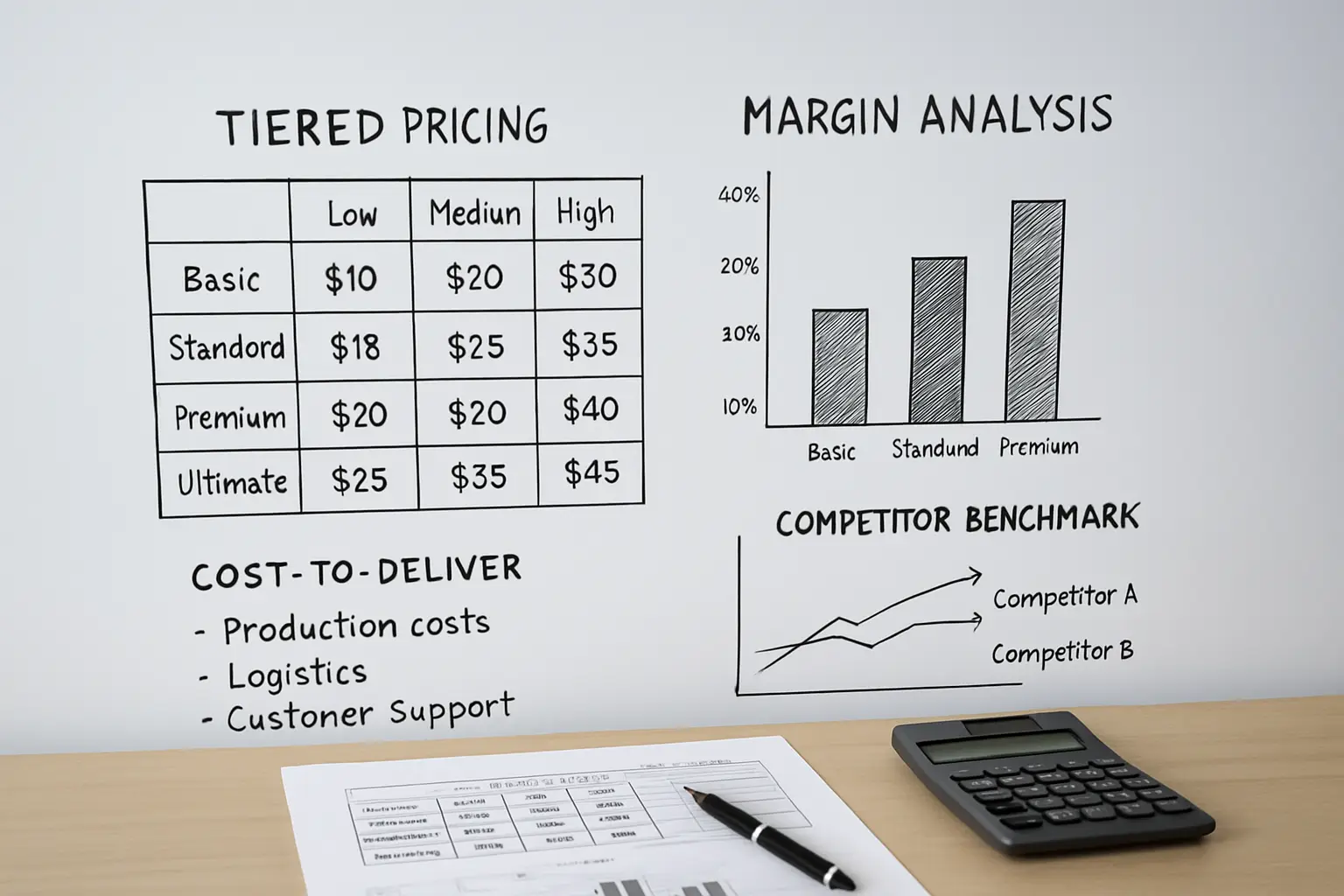
A pricing project examines whether current prices adequately reflect delivery costs, labour, overhead, margin requirements, customer differences, and the way the offer is structured.
Businesses that want recurring review of pricing, margins, and performance after the project is complete can use Business Advisory Services .
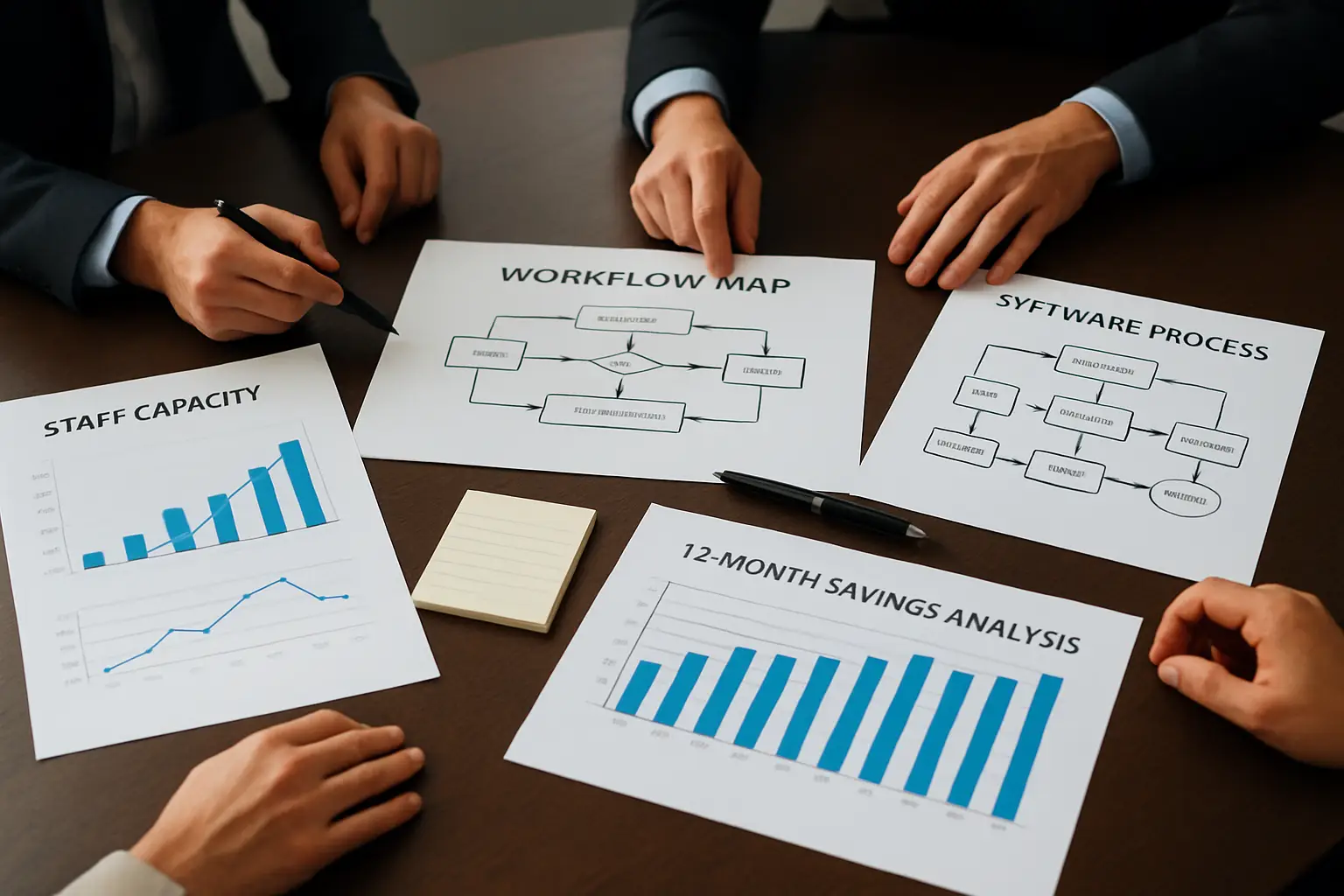
Processes that worked when the company was smaller can become expensive as transaction volume, staff, locations, customers, or systems increase. A consulting project can isolate a specific operational problem and build an improvement roadmap.
Implementation still requires internal ownership, staff time, software changes, vendor support, or other resources depending on the project.
A new market or location creates commitments before the new revenue is proven. Consulting can bring demand assumptions, operating requirements, setup costs, staffing, financing, and cash needs into one project before contracts or leases are signed.
Review the target customer, demand assumptions, competitive environment, pricing expectations, and expected sales ramp.
Model the expected investment and the level of revenue needed for the new market or location to become financially workable.
Review whether the existing business has enough management, staff, cash, systems, and operational capacity to support expansion.
Buying a business, admitting a partner, or changing ownership creates financial, operational, tax, and legal questions. Business consulting can help organize the financial and commercial side of the decision before obligations are created.
Review available statements, margins, cash flow, working capital, debt, customer concentration, and other material financial information.
Review customer dependency, supplier issues, staff requirements, operating risks, systems, and other factors that may affect the economics of the transaction.
Review the purchase price, financing requirements, payment obligations, working-capital needs, and cash required after closing.
Identify priorities involving staff, customers, systems, reporting, cash, operations, and management after the transaction.
Depending on the transaction, separate legal, tax, valuation, lending, or other professional advice may also be required. Phoenix Knight can help organize the financial and business questions that should be reviewed as part of the decision.
These services may use similar financial information, but they solve different problems. The main difference is the scope and level of ongoing involvement.
Best for a defined project, business problem, or major decision with a specific outcome or deliverable.
Best for recurring owner decision support using financial results, KPIs, budgets, forecasts, and upcoming business decisions.
Explore Business Advisory →Best for businesses that need ongoing senior financial leadership, management reporting, forecasting, budgeting, capital planning, and finance-function oversight.
Explore Virtual CFO Services →If the main requirement is financial projections, financing analysis, cash-flow modelling, or another finance-specific question, review Financial Advisory Services .
Project-based consulting works best when the question, information, analysis, and expected deliverable are agreed before the work begins.
Clarify the business problem, decision, intended outcome, timeline, and people involved.
Review the accounting, operational, market, pricing, customer, staffing, or transaction information relevant to the project.
Test assumptions, compare alternatives, model financial implications, and identify material risks.
Provide the agreed analysis, recommendation, model, plan, priorities, and next actions.
The effort required depends on the amount of research, financial modelling, documentation, stakeholder input, and implementation planning involved. The scope should be agreed before work begins.
For businesses that need a structured plan for financing, investment, grants, launch planning, or internal decision-making.
For a specific pricing, operations, growth, market-entry, expansion, or profitability project.
For owners evaluating a business purchase, partnership, ownership change, or other significant transaction.
After a consulting project is complete, businesses that want recurring performance reviews and decision support can move to Business Advisory . Companies that need ongoing senior financial leadership can consider Virtual CFO Services .
A recommendation is more useful when the assumptions can be tested against the business's actual financial information, capacity, cash requirements, and operating constraints.
Projects can use available revenue, margin, expense, cash-flow, financing, and other financial information to test whether an idea is workable.
The engagement is scoped around a specific project and an agreed result rather than open-ended general strategy conversations.
The project should finish with clear priorities and actions, including the assumptions or information that still need to be validated.
A consulting model is only as useful as the information behind it. Businesses with incomplete financial records may need Bookkeeping Services or Small Business Accounting before the project relies heavily on historical results.
Clear answers about business plans, pricing projects, operational improvement, growth projects, market entry, acquisitions, and the difference between consulting and ongoing advisory.
Business consulting helps an owner solve a defined problem or plan a specific initiative. Projects may involve a business plan, pricing analysis, operational improvement, growth strategy, market entry, new location, acquisition, partnership, or another major business decision.
Business consulting is usually project-based and designed around a specific outcome or deliverable. Business advisory is recurring support for reviewing performance, cash flow, KPIs, budgets, forecasts, and ongoing business decisions.
Consulting focuses on a defined business project. A Virtual CFO provides ongoing senior financial leadership, including forecasting, management reporting, budgeting, capital planning, and finance-function oversight.
Yes. Business-plan projects can include the business overview, market and competitive context, operating plan, financial assumptions, projections, funding requirements, use of funds, and break-even analysis where appropriate. The scope depends on the intended use of the plan.
Yes. A pricing project can review delivery costs, labour, overhead, margins, customer differences, pricing structure, and relevant market context to develop a more informed pricing recommendation.
Yes. A market-entry or location project can review demand assumptions, operating costs, staffing, setup investment, expected sales ramp, working capital, break-even requirements, and management capacity.
Phoenix Knight can support the financial and business review of an acquisition, including available financial information, cash requirements, working capital, debt, customer risk, operating considerations, and integration planning. Legal, tax, or formal valuation advice may also be required depending on the transaction.
Some projects end once the agreed deliverables and roadmap are provided. If the business wants recurring performance reviews or decision support afterward, it can move to Business Advisory . A company needing ongoing senior financial leadership may be better suited to Virtual CFO Services .
Use project-based Business Consulting when you need a defined outcome. Choose recurring advisory, CFO, accounting, or tax support when the requirement continues after the project.
Share the business plan, pricing problem, operational issue, growth initiative, market-entry idea, expansion decision, acquisition opportunity, or other defined project you are evaluating.
Start with the decision, project, records, assumptions, and timeline you already have. The initial review can determine what additional information is needed before the project is scoped.