Reporting and Reconciliations
- Bank and credit card reconciliations
- Financial statements
- Month-end account review
- Year-end financial records
- Management reporting

Business accounting services help owners turn day-to-day financial records into numbers they can actually use. When reconciliations are behind, reports do not agree, customer balances are unclear, or cash does not match the profit shown on paper, reliable accounting becomes essential for understanding what is happening inside the business.
Phoenix Knight Financial Services helps organize and review the financial information behind those decisions. Our support includes reconciliations, financial statements, month-end accounting, accounts payable and receivable, payroll entries, cash flow reporting, cloud accounting, and year-end records. With more than 20 years of experience, Phoenix Knight supports businesses across Surrey and Metro Vancouver with accounting processes designed for clearer reporting and better financial control.

Business accounting works best when bank accounts, invoices, bills, payroll, customer balances, supplier balances, and financial reports are part of one consistent accounting process.
Phoenix Knight connects those records through recurring reconciliation, month-end review, and financial reporting. This helps business owners work from balances that have been checked rather than relying on disconnected reports or year-end cleanup.
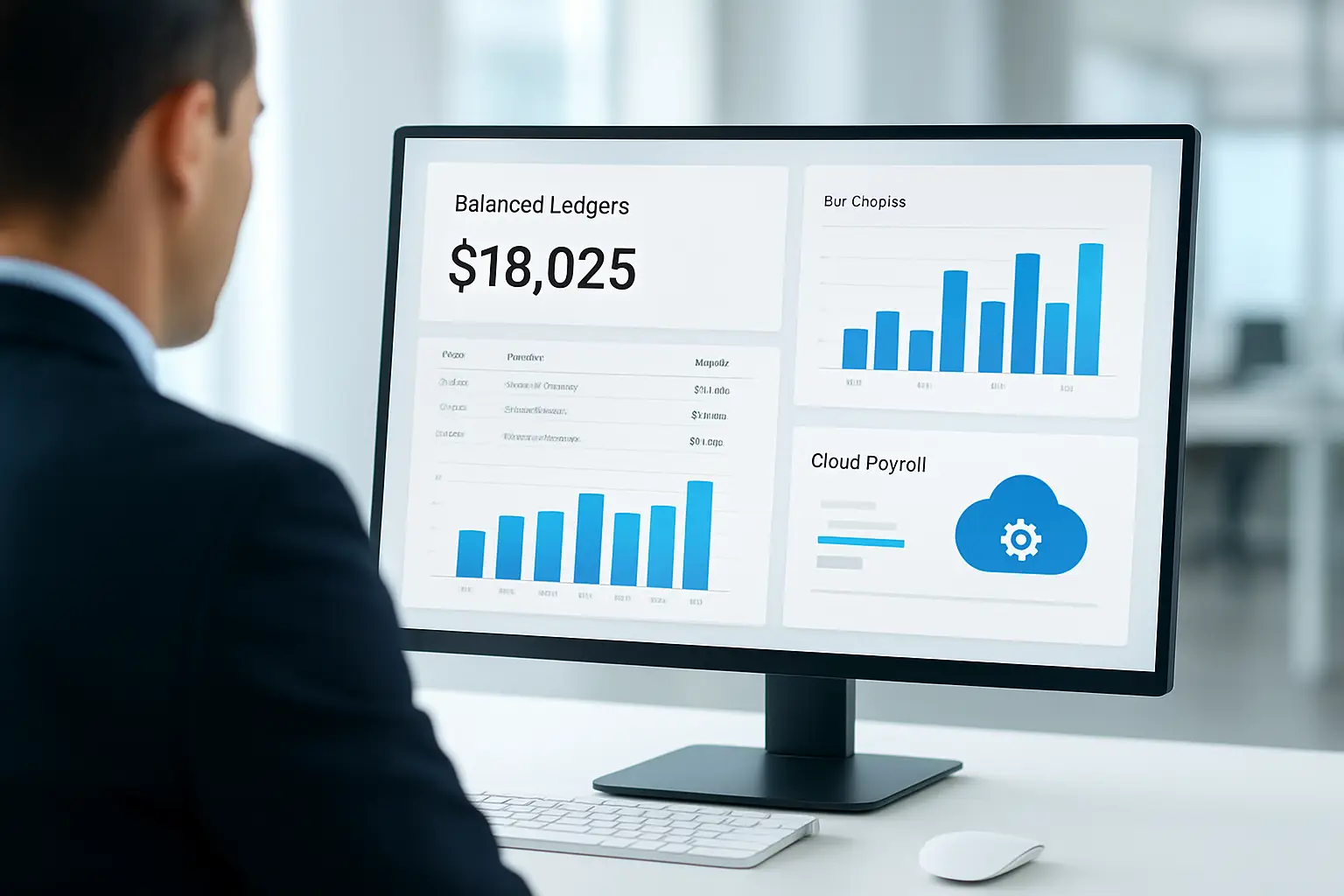
Financial statements summarize revenue, expenses, assets, liabilities, equity, and cash activity. Their usefulness depends on the quality of the bookkeeping, reconciliations, and account balances supporting the reports.
A profit and loss statement shows revenue and expenses for a period and the resulting profit or loss.
A balance sheet shows what the business owns, what it owes, and the equity recorded at a particular date.
Cash reporting helps explain where money is coming from, where it is going, and which upcoming payments may need attention.
Management reporting should answer practical questions about profit, cash, customers, suppliers, budgets, locations, departments, and upcoming decisions. Phoenix Knight helps organize reporting around the financial information owners actually need to review.
Cash records focus on when money changes hands. Accrual reporting also recognizes amounts earned or incurred in the period, including receivables and payables.
Monthly reports can bring the most useful information into one review instead of making owners search through individual transactions.
Businesses with more than one location or operating area may need both combined totals and separate results to see where performance differs.
That depends on the business. A company with tight cash, significant receivables, several locations, or frequent management decisions may need reports more often than a simpler operation.
Month-end accounting checks the period before financial reports are relied on. Missing transactions, unexplained balances, overdue customer invoices, supplier amounts, payroll entries, and other issues can be identified while the information is still current.
Match bank accounts, credit cards, loans, payment processors, and other accounts with the books.
Check uncategorized transactions, customer balances, supplier balances, payroll entries, and unusual accounts.
Prepare the financial statements and management information needed for the period.
Identify missing documents, overdue invoices, cash concerns, or balances that still need an explanation.
Customer balances, supplier balances, assets, loans, payroll accounts, and other records can affect both regular reporting and the information needed at year-end.
Year-end work brings the main accounts together before corporate tax preparation or other annual reporting begins.
Regular AP and AR review helps owners see what needs to be paid, what customers still owe, and where cash is tied up.
Canadian businesses may have different information-slip requirements depending on who was paid, the nature of the payment, and the working relationship. Clear accounting records help separate employee remuneration, fees for services, and construction subcontractor payments before year-end reporting is prepared.
T4 reporting relates to remuneration paid by an employer to an employee during the calendar year.
A T4A may apply to certain fees paid for services. The correct reporting treatment depends on the type of payment and the relationship with the recipient.
Construction businesses have a separate reporting framework for contract payments to subcontractors, using the T5018 information return where required.
Calling someone a contractor does not by itself decide their tax or payroll treatment. Employee versus self-employed status and the nature of the payment should be reviewed before choosing an information slip.
Financial statements show the results. Financial analysis helps owners understand where revenue, margins, expenses, working capital, and cash changed so the areas needing attention are easier to identify.
Review how sales and costs are affecting profit over time.
Review the cash and short-term resources available to meet upcoming business obligations.
Review how quickly cash moves through customer balances, supplier balances, inventory, and other operating accounts.
Comparing actual results with a budget can show where revenue, expenses, margins, or cash needs differed from the original plan. The useful next step is understanding why the difference happened.
The basic accounting records are similar, but the detail that matters can change with projects, inventory, professional billing, property, staffing, and other business activity.
Construction companies may need project-level records for job costs, subcontractors, equipment, progress billing, holdbacks, payroll, and WIP reporting.
Explore Construction AccountingRetail businesses may need to connect point-of-sale records, inventory, merchant deposits, refunds, supplier purchases, payroll, and cost of goods sold.
Healthcare businesses may need clear records for practice revenue, staff costs, provider payments, clinic expenses, payroll, and monthly reporting.
Explore Healthcare AccountingReal estate accounting may involve property income, operating expenses, financing, commissions, project activity, and separate records for different properties.
Explore Real Estate Accounting
Cloud accounting can bring bank activity, invoices, expenses, receipts, and reports into one working system.
The value comes from a consistent process for recording transactions, keeping supporting documents, reconciling accounts, controlling access, and reviewing reports—not simply from moving the books online.
Explore Cloud Accounting SolutionsBookkeeping records day-to-day business activity. Accounting uses those records to reconcile balances, prepare financial reports, review results, and organize year-end information.
Explore Bookkeeping ServicesThe right level of support depends on transaction volume, employees, locations, reporting needs, existing staff, and how often management needs reliable financial information.
Suitable when the main need is keeping the accounts reconciled and the financial records in order.
Useful when owners need regular financial statements and a clearer view of results during the year.
Growing businesses may need accounting connected with tax, payroll, bookkeeping, cash flow, cloud systems, or management decisions.
Phoenix Knight supports Surrey businesses with reconciliations, financial statements, month-end reporting, bookkeeping coordination, payroll accounting, cash flow information, cloud accounting, and year-end financial records.
Review the Surrey service area for local service information.
Get clear answers about financial statements, bookkeeping, month-end accounting, Canadian year-end reporting, outsourced support, and cloud accounting.
Accounting support can include reconciliations, financial statements, month-end review, accounts payable and receivable records, payroll accounting entries, cash flow reporting, financial analysis, year-end records, and cloud accounting. The exact work depends on the business.
Bookkeeping records day-to-day transactions such as invoices, receipts, bills, payments, and bank activity. Accounting uses those records to reconcile balances, prepare reports, review performance, and organize year-end information.
Month-end accounting can identify missing transactions, unreconciled accounts, unusual balances, overdue customer invoices, outstanding supplier bills, and other issues before reports are used for business decisions.
The required reporting depends on the payment and working relationship. T4 slips relate to employee remuneration. A T4A may apply to certain fees for services. Construction businesses may have T5018 reporting requirements for subcontractor payments. The correct treatment should be checked for the specific situation.
Yes. A business can outsource some or all recurring accounting work. The appropriate scope depends on transaction volume, internal staff, accounting systems, reporting needs, and the level of review required.
Yes. Cloud accounting can connect transactions, invoices, expenses, supporting documents, reconciliations, and reports. The records still need review rather than relying only on automated data.
It depends on the business. Companies with tighter cash flow, more transactions, several locations, significant customer balances, or frequent management decisions may benefit from more frequent reporting.
Yes. Phoenix Knight provides accounting support for businesses in Surrey, British Columbia.
Business accounting often connects with tax, bookkeeping, payroll, cash flow, and advisory support as financial needs become more complex.
Tell Phoenix Knight where the accounting process needs attention: reconciliations, financial statements, customer balances, supplier balances, payroll records, month-end reporting, year-end records, cloud accounting, or the connection between bookkeeping and tax work.
You do not need to organize everything before making contact. Start with the accounting file, reports, statements, or records you already have.
Contact Phoenix Knight