T2 Corporate Tax Return Filing
Prepare the financial and tax information required for a corporation's T2 return, review filing readiness, and coordinate the year-end records that support the return.
Explore Tax Preparation Services
Phoenix Knight Financial Services provides corporate tax accounting and T2 filing support for incorporated businesses across Surrey BC. We help organize year-end records, review corporate income and expenses, identify filing issues, and prepare the information needed for an accurate corporate tax return.
With more than 20 years of experience, Phoenix Knight connects corporate tax filing with bookkeeping, GST records, payroll information, shareholder activity, and year-end accounting so business owners can approach their filing deadline with clearer records and fewer last-minute questions.

Corporate tax work goes beyond completing a T2 form. Clean bookkeeping, year-end balances, business expenses, GST records, payroll information, shareholder activity, and supporting documents all contribute to a reliable filing and better tax planning.
Prepare the financial and tax information required for a corporation's T2 return, review filing readiness, and coordinate the year-end records that support the return.
Explore Tax Preparation ServicesReview account balances, bookkeeping, financial statements, and supporting records before corporate tax preparation begins so unresolved year-end items can be addressed early.
Explore Accounting ServicesReview business expenses, supporting records, and available deductions while identifying tax-planning questions that should be considered before the corporate return is finalized.
Explore Corporate Tax DeductionsReconcile GST information with invoices, transactions, and bookkeeping records so sales-tax balances are consistent with the financial information used for year-end tax work.
Explore GST Filing ServicesOrganize payroll information, employee deductions, remittances, shareholder transactions, and related year-end records that may affect corporate accounting and tax preparation.
Explore Payroll ServicesReview CRA correspondence, organize supporting records, and determine what information is needed when the corporation receives a review request, audit notice, or other tax-related inquiry.
Explore CRA Audit AssistanceEvery corporation is different, but gathering the core financial records early makes it easier to identify missing information, reconcile year-end balances, and avoid delays during T2 preparation.
General ledger information, bank and credit card records, income, expenses, and account balances.
Sales, other income, business expenses, invoices, receipts, and records supporting tax deductions.
Relevant GST records, payroll information, remittances, and year-end payroll details.
Information related to shareholders, company activity, loans, payments, and other corporate transactions where relevant.
Notices of assessment, review letters, prior filing information, and other CRA records related to the corporation.
Most resident corporations must file a T2 return for every tax year even when no tax is payable, subject to CRA exceptions.
A corporation's T2 return is generally due within six months after the end of its tax year. The balance of corporate tax is generally due two months after the tax year-end. Certain qualifying Canadian-controlled private corporations may have a three-month balance-due day, depending on their circumstances and whether CRA's eligibility conditions are met.
The filing deadline and balance-due date are separate, so both should be checked for the corporation's specific tax year.
Learn what a T2 return is and how it relates to incorporated businesses in Canada.
Read the T2 Corporate Tax GuideMissing records, unreconciled balances, bookkeeping gaps, and unanswered year-end questions can delay a corporate return. Resolving those issues first makes the filing process more efficient.
Income, expenses, bank balances, shareholder accounts, GST, and other tax records may need reconciliation before the year-end filing can move forward.
Explore Accounting and Tax SolutionsCorporate tax filing differs from personal tax filing. Knowing what the T2 process requires helps owners gather the right records and understand which year-end issues need attention.
Read the Corporate Tax Filing GuideGrowth, new assets, staffing changes, shareholder transactions, or major business decisions can change the information that needs to be reviewed at year-end.
Explore Business AdvisoryCorporate tax obligations can affect working capital. Reviewing upcoming tax payments alongside operating cash needs can help owners plan beyond the filing date.
Explore Cash Flow ForecastingA structured year-end process helps identify what is ready, what needs reconciliation, and which tax questions should be addressed before the T2 return is prepared.
Confirm the tax year, business activity, prior filing status, available records, shareholder information, and any CRA correspondence.
Review bookkeeping, income, expenses, assets, liabilities, GST, payroll, and other year-end information used in corporate tax preparation.
Resolve missing documents, unclear transactions, unreconciled accounts, and year-end questions before the corporate return is finalized.
Prepare the T2 filing from the corporation's completed records, review the relevant tax information, and confirm the next compliance steps.
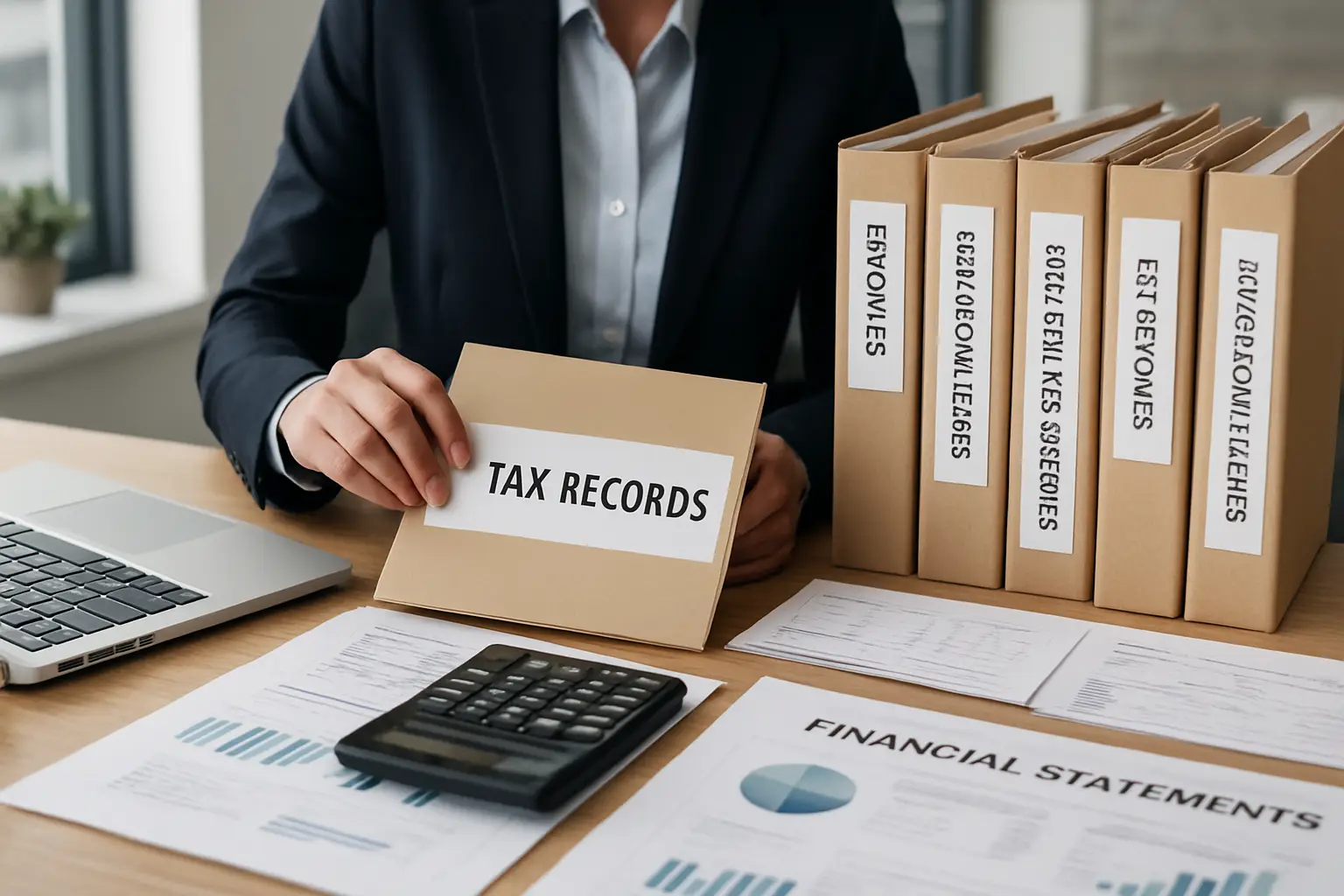
Incorporated Surrey businesses often need corporate tax support that connects T2 filing with bookkeeping, deductible expenses, payroll records, GST information, shareholder activity, and year-end accounting.
Phoenix Knight provides corporate tax accounting and filing support for Surrey businesses while coordinating related financial records through one year-end process. Broader local accounting support is available through the Surrey service area .
Clear answers about T2 returns, corporate tax deadlines, bookkeeping readiness, deductions, CRA correspondence, and year-end records.

Most resident corporations must file a T2 return for each tax year even when no tax is payable. CRA has some exceptions, so the corporation's specific situation should be checked.
A T2 corporate tax return is generally due within six months after the end of the corporation's tax year. The balance of corporate tax is generally due two months after the tax year-end, although certain qualifying Canadian-controlled private corporations may have a three-month balance-due day. The filing deadline and payment deadline should therefore be checked separately.
Records may include bookkeeping information, income and expense details, GST records, payroll information, corporate activity, shareholder details, prior tax information, and CRA letters.
Bookkeeping may need to be reviewed and updated before the corporate tax return can be prepared if important financial records are incomplete.
Yes. Business expenses and their supporting records can be reviewed to determine which deductions may apply to the corporation's tax situation.
Phoenix Knight offers CRA audit assistance. The next step depends on the notice, the records requested, and the status of the corporation's tax filings.
Yes. Phoenix Knight provides corporate tax filing support for incorporated businesses in Surrey, British Columbia.
Share your corporation's tax year, bookkeeping status, year-end records, shareholder information, and any CRA correspondence. Phoenix Knight can identify what needs attention before the T2 return moves forward.
Your records do not need to be perfectly organized before you make contact. Start with the information you already have.
Contact Phoenix Knight