

If you are a freelancer or a gig worker in Canada, you have likely heard about the “30k rule.” It is one of the most common topics of conversation in the creator economy. However, it is also one of the most misunderstood.
Understanding how the Goods and Services Tax (GST) and Harmonized Sales Tax (HST) work is vital. If you get it right, you can save money. If you get it wrong, you could face heavy penalties from the Canada Revenue Agency (CRA).
In this guide, we will break down the $30,000 threshold, explain when you must register, and show you how to handle your filings like a pro.
What is the GST/HST 30k Rule in Canada?
In Canada, the CRA considers you a “Small Supplier” if your total taxable revenues (before expenses) are $30,000 or less in a single calendar quarter or over four consecutive calendar quarters. As a small supplier, you are not required to register for or collect GST/HST. Once your revenue exceeds $30,000 within these periods, you must register for a GST/HST account and begin charging the tax to your clients.

Understanding the “Small Supplier” Status
For most freelancers, the journey starts as a small supplier. This means the CRA doesn’t require you to be a part of the GST/HST system.
However, you must be careful with your math. The $30,000 limit is based on gross income, not profit. If you earned $32,000 but spent $10,000 on equipment, you have still crossed the threshold. You must also keep an eye on the different types of company structures as this rule applies whether you are a sole proprietor or a corporation.
How the CRA Tracks the $30,000 Threshold
The CRA looks at your revenue in two ways:
- The Single Calendar Quarter: If you make over $30,000 in just three months, you lose your small supplier status immediately.
- Four Consecutive Quarters: If your total revenue over the last four quarters (12 months) adds up to more than $30,000, you must register.
Mandatory vs. Voluntary Registration
Most freelancers wait until they hit the $30k mark to register. This is called Mandatory Registration. But did you know you can register even if you earn $5,000? This is Voluntary Registration.
Why would you register early?
- Input Tax Credits (ITCs): When you are registered, you can get back the GST/HST you pay on your business expenses (like laptop gear, software, or office rent).
- Professional Image: Charging GST/HST can make your freelance business look more established to larger corporate clients.
If you are unsure which path is right for you, speaking with a professional regarding bookkeeper vs. accountant services can help clarify your best financial move.

How to Register for GST/HST
Once you cross the threshold, you generally have 30 days to apply for your GST/HST number. You can do this:
- Online through the CRA My Business Account.
- By mail using Form RC1.
- By phone.
Once you have your number, you must include it on every invoice you send to clients. You are now a tax collector for the government.
Filing and Paying Your GST/HST
When you register, you will choose a “filing frequency.” Most freelancers choose to file annually to keep paperwork simple, but you can also file quarterly or monthly.
It is important to remember that the GST/HST you collect is not your money. It is the government’s money that you are holding in trust. Many freelancers run into trouble by spending this money and then struggling to pay it back during tax filing season.
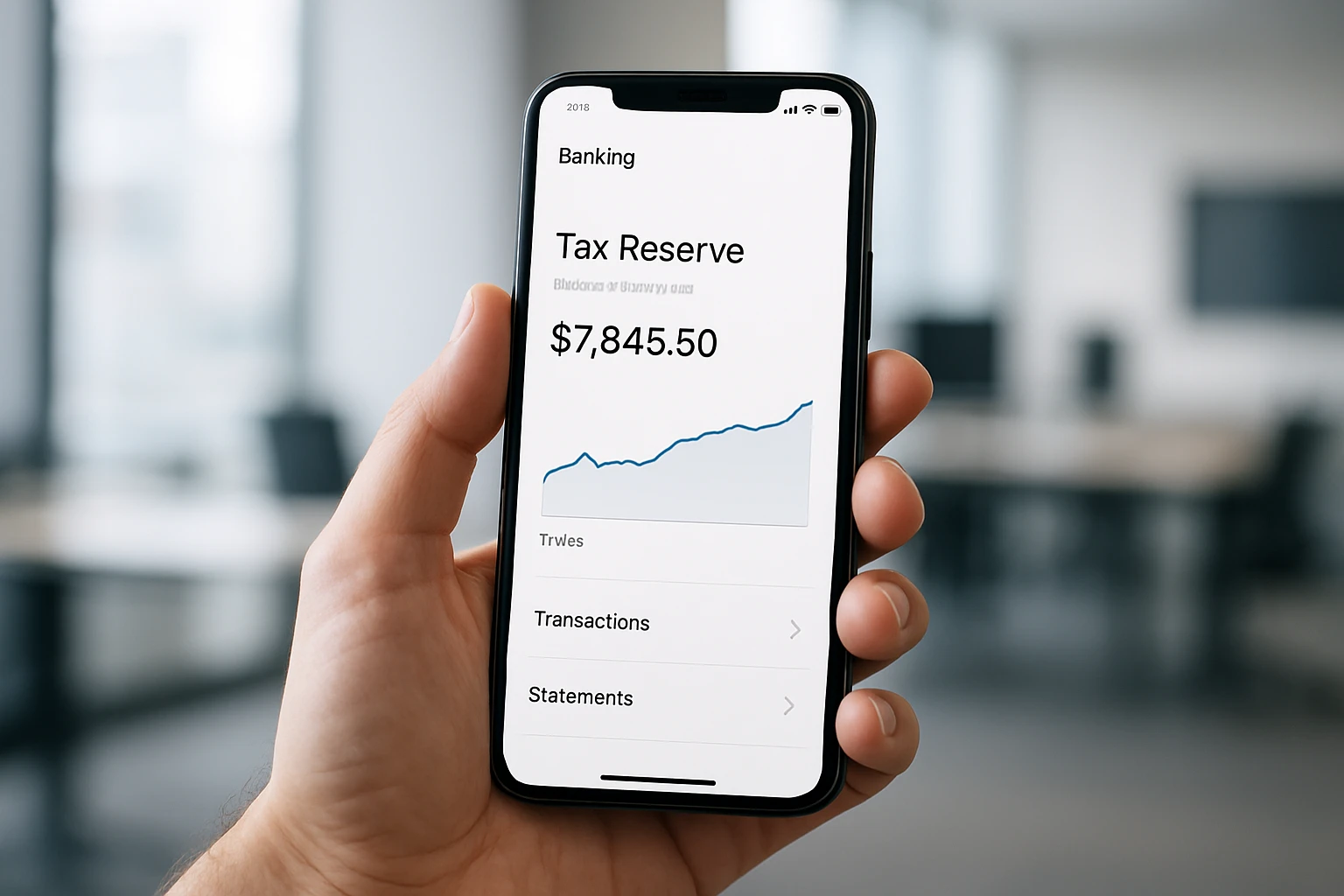
Pro Tip: Open a separate savings account. Every time a client pays an invoice, move the GST/HST portion into that account immediately so it’s ready when income tax is due in Canada.
What Happens if You Forget to Register?
If you passed the $30,000 mark a year ago and forgot to register, do not panic. The CRA is much more forgiving if you come to them first rather than waiting for them to find you.
However, you will be responsible for the taxes you should have collected, even if you didn’t charge your clients. This is where late tax filing solutions become necessary to minimize interest and penalties.
The Benefit of Input Tax Credits (ITCs)
The best part of being in the GST/HST system is the Input Tax Credit.
- If you collected $2,000 in GST from clients…
- But you paid $500 in GST on your business expenses…
- You only send $1,500 to the CRA.
This is a great way to reduce your overall tax burden as a small business owner.
Final Thoughts for Freelancers
Crossing the $30,000 threshold is an exciting milestone! It means your business is growing. But with growth comes more responsibility. Staying organized with your bookkeeping and understanding Canada’s income tax rates will ensure your freelance career stays on solid ground.
Need help setting up your GST/HST account or catching up on old filings?
We specialize in helping Canadian freelancers navigate the “30k and beyond” journey.
Fill out our Tax Info Client Form today and let us handle the paperwork while you focus on your craft.